A Venetian Mask Embroidery Design for Festive Projects
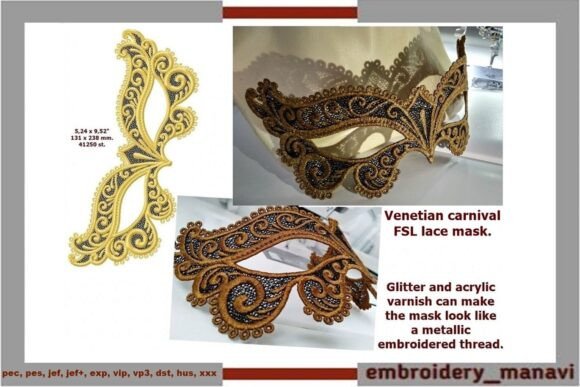
When you open the Venetian FSL Lace Carnival Mask embroidery file, the first thing you notice is its theatrical flair. It’s not a simple graphic; it’s a character. The sweeping curves and intricate, lace-like details immediately suggest a mood of elegance and mystery. This design feels like it belongs on something special—a statement piece for a celebration, not everyday casual wear. As a designer reviewing files for real client projects, that initial impression is crucial. It tells me this design has a specific personality and will attract customers looking for that exact vibe.
The Perfect Canvas: Where This Carnival Mask Shines
I picture this mask on a deep burgundy sweatshirt for a holiday party, or as a striking focal point on a black tote bag for someone who loves costume balls. Its size, at roughly 5.25 by 9.5 inches, makes it substantial enough to be a central feature without overwhelming smaller items. It would look gorgeous on a pillow cover for a dramatic living room accent or embroidered onto a luxurious apron for a hostess gift. For small business owners, like Etsy sellers specializing in holiday merchandise, this design translates easily into a premium product. Imagine it on a high-quality tea towel set for New Year's Eve, or as a custom patch on a velvet jacket. The theme ties it perfectly to Holidays Celebrations, but its sophistication extends beyond Halloween to Christmas parties, masquerade balls, and even wedding reception gifts.
The "lace" aspect of the design name suggests fine detail. In a real embroidery project, this means the stitch layout will need to be clean to maintain that delicate, open feel. On a light-colored fabric like white or cream, the design will pop with classic elegance. On darker fabrics, you'll need to think carefully about thread color contrast—a metallic silver or a bright gold thread could make this mask truly mesmerizing. For apparel decorators, this is a design that adds significant perceived value. A customer seeing this on a custom sweatshirt will immediately recognize the effort and artistry, elevating your handmade presentation.
Practical Considerations for Stitching Success
Before hooping any client's garment, I'd run this embroidery file on scrap fabric first. The detail level means small, intricate corners and potential dense stitch areas in the mask's features need to be checked. A design with this much personality relies on stitching clarity. Using the proper stabilizer is non-negotiable, especially if you're applying it to a textured fabric like a sweater or a stretchy fabric like a knit cap. On curved surfaces like caps, the large size might present a challenge—it’s best suited for the crown area of a structured hat rather than a curved baseball cap.
Since the provided information mentions one size and calls it an embroidery design, it’s wise to confirm your machine compatibility and the exact file formats before starting a commercial project. For digital product sellers offering printable mockups, this design is a strong asset, but always verify the licensing terms for the embroidery file itself before selling finished items or bundling it in your own digital product listings.
When to Use a Gentle Touch: Navigating Limitations
This isn't a design I'd casually stitch onto a baby’s delicate romper or a thin, lightweight t-shirt. The stitch density, necessary to create that lace effect, could be too heavy for such fabrics and might lead to puckering or a stiff finish. Similarly, on items destined for frequent washing, like kitchen towels, you'd want to ensure the thread choices are durable and the stitching is secure to maintain its beauty over time. The design's grandeur also means it shouldn’t be forced into a small hoop size; it needs the space it was intended for to retain its visual impact.
For crafters and hobbyists making personalized gifts, this mask is perfect for a one-of-a-kind pillow or a framed embroidered art piece. For creative entrepreneurs, it supports brand consistency if your small shop specializes in festive, ornate, or Gothic-inspired merchandise. It feels professional and well-developed, which in turn builds customer trust. They can see you’re offering unique design assets, not just generic clip art.
Embroidery Designer Notes for a Smooth Project
- Always test on a fabric scrap that matches your final project’s weight and texture.
- Review the stitch density by stitching a sample; adjust stabilizer use accordingly.
- Check thread color contrast against both light and dark fabric backgrounds. Consider using a sample in black and white mockups to see the pure form.
- Confirm the hoop size required and ensure your machine can accommodate it.
- Inspect the small details in your test stitch-out. Are the lace elements clear and distinct?
- For commercial embroidery, clarify the license for the digital embroidery file to ensure you can legally sell the finished product.
- Think about the end product’s use. Is it a decorative item or wearable apparel? This guides your fabric and thread choices.
The Final Impression: From File to Finished Product
Ultimately, the Venetian FSL Lace Carnival Mask embroidery design is a specialist. It won’t be your everyday, go-to file, but when the right project arrives—a holiday gift, boutique product, or a client’s custom costume accessory—it will perform beautifully. It creates high visual appeal and buyer engagement because it tells a story. Stitched well, on an appropriate item, it elevates a simple garment or object into a conversation piece. That’s the practical value for makers and small business owners: a design that clearly communicates quality and occasion, helping your handmade product stand out in a crowded market. My judgment, from a designer’s point of view, is to use it thoughtfully for those projects that call for a touch of Venetian drama, and it will reward you with a stunning finished product.