A Designer's Review: The Stuffie Heart Embroidery File
As someone who reviews embroidery designs for real-world use, I’m always looking at files through a practical lens. How will this design stitch out? What kind of project does it naturally belong to? Let’s walk through the Stuffie Heart, ITH Heart Toys design from that perspective, imagining it as a digital embroidery file ready for your next project.
The First Impression: Sweetness with a Purpose
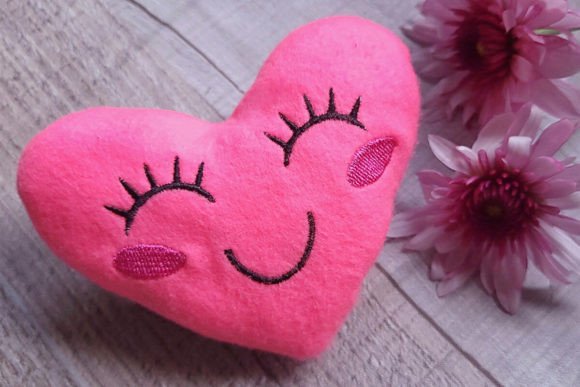
The name alone, “Stuffie Heart,” sets a mood. It feels cozy, affectionate, and instantly playful. As a designer, I’d look at this and think it belongs squarely in the realm of heartfelt gifts and cheerful, handmade products. It’s not just a graphic; it’s a character. The theme suggests a soft, toy-like quality, which translates visually into a design that should have rounded, friendly shapes and a layout that feels inviting rather than rigid. This is a design that creates a smile first, which is a powerful starting point for any embroidery project aimed at connecting with people.
Where This Heart Finds Its Home
Thinking through applications, this design isn’t a one-trick pony, but it has a natural affinity. The product description mentions a “cute and sweet in-the-hoop Christmas bag,” which is a great starting point. It clearly shines as a holiday embroidery piece. But let’s expand that view.
Imagine you’re preparing a custom order for a client who wants a personalized gift for a new baby. A baby embroidery design on a blanket or a soft bib needs to be safe, visually gentle, and utterly charming. The Stuffie Heart fits that perfectly. Its “stuffie” personality implies softness, making it ideal for nursery decor or baby clothes.
For a craft business or Etsy seller, this design could be the centerpiece of a whole product line. Stitched onto a tote bag design, it becomes a cheerful everyday accessory. On a sweatshirt embroidery, it’s a statement of cozy joy. As an embroidered patch, it could adorn a backpack or a knit hat. It has that versatile, giftable quality that works for pillow covers, kitchen towels, or aprons—any product where you want to inject a dose of warmth and personality.
A Real Scenario: The Boutique Holiday Tote
Let’s get specific. You run a small shop and want to create limited-edition holiday merchandise. You choose a high-quality canvas tote. Using the Stuffie Heart as an in-the-hoop project, you follow the included PDF instructions. The final stitched bag isn’t just a bag; it’s a handmade product with a story. A customer sees it and reacts not to a generic logo, but to a little embroidered character. That emotional connection increases perceived value, supports your brand consistency if your shop is about warmth and care, and makes the item truly giftable. This is the practical power of a well-chosen design.
Practical Considerations for Stitching Success
This is where a reviewer’s experience really matters. To ensure this sweet design translates into a professional finished product, we have to think about the nitty-gritty.
First, the instructions are noted as easy-to-follow with photos. That’s a significant plus for both hobbyists and professionals managing time. But as a standard practice, I always advise testing the embroidery file on scrap fabric first. Use the same fabric texture and weight you plan for the final project. This lets you check the actual stitch density, see how fill stitch areas behave, and inspect any small details for clarity.
Given the likely rounded, soft shapes, pay close attention to thread color contrast. On light fabrics, a classic red or pink heart will pop. On dark fabric, you might need a brighter top thread or consider a lighter backing to ensure the design doesn’t get lost. Always use the proper stabilizer for your base material—this is critical for maintaining that clean, sweet shape, especially on stretchy fabric like t-shirts or on textured fabrics like sweaters.
Where to Exercise a Bit of Caution
While versatile, some applications require extra thought. If you’re considering very small hoop sizes, ensure the design’s detail level won’t become muddy. Tiny lettering or extremely dense areas might not reduce well. Stitching on curved surfaces like caps demands perfect stabilization and possibly adjusting the design placement to avoid awkward seams. For products that will need frequent washing, like baby items or kitchen linens, a robust stitch structure is key—again, that test stitch on scrap material is your best friend here.
The Impact on Your Work and Your Customer
Beyond the stitch-out, what does using a design like this do for you and your end user?
For your craft business, it elevates visual appeal. A clean, cheerful embroidered heart has more stitching clarity than a complex, busy design might on a small item. This clarity directly boosts product value and customer trust—they see precision and care. In a handmade presentation, it feels intentional and professional.
For commercial embroidery projects or creating small shop product lines, this design can become a recognizable element. It aids in buyer engagement because it’s easy to love. When creating digital product previews or printable mockups for your listings, a design with such a clear personality makes the mockup itself more attractive.
It’s also important to consider the source. The file is described as a digital embroidery file, not a finished item. This means you, as the maker, are adding the value. Always confirm licensing before selling finished items. Understand whether the file is intended for personal use, commercial use, or both. This is a fundamental step for any creative entrepreneur using design assets.
Final Designer Notes Before You Hoop It Up
My final thoughts, from the bench. The Stuffie Heart, ITH Heart Toys design, from its description, seems crafted for success in joyful projects. To make it work for you:
- Always, always run that test stitch. It reveals everything about stitch density and detail integrity.
- Check your hoop size compatibility against the design’s intended size. Don’t assume.
- Plan your thread colors with the end fabric in mind. Do a black and white mockup to check form, and compare how it looks on light and dark backgrounds.
- If the design incorporates techniques like applique design or uses satin stitch borders, ensure you have the materials and skills ready.
- For personalized gifts or custom apparel, consider how you might integrate this heart with other elements or text.
- Remember, the included PDF with instructions is a resource. Use it to streamline your process, especially if this is a new technique for you.
In the world of machine embroidery design, a file that comes with a clear personality and practical instructions is a valuable tool. The Stuffie Heart appears to be exactly that—a sweet, project-ready heart waiting to be stitched into something wonderful. Approach it with a designer’s practical eye, prepare your materials thoughtfully, and it will likely become a favorite in your repertoire for creating gifts, merchandise, and heartfelt handmade items.